
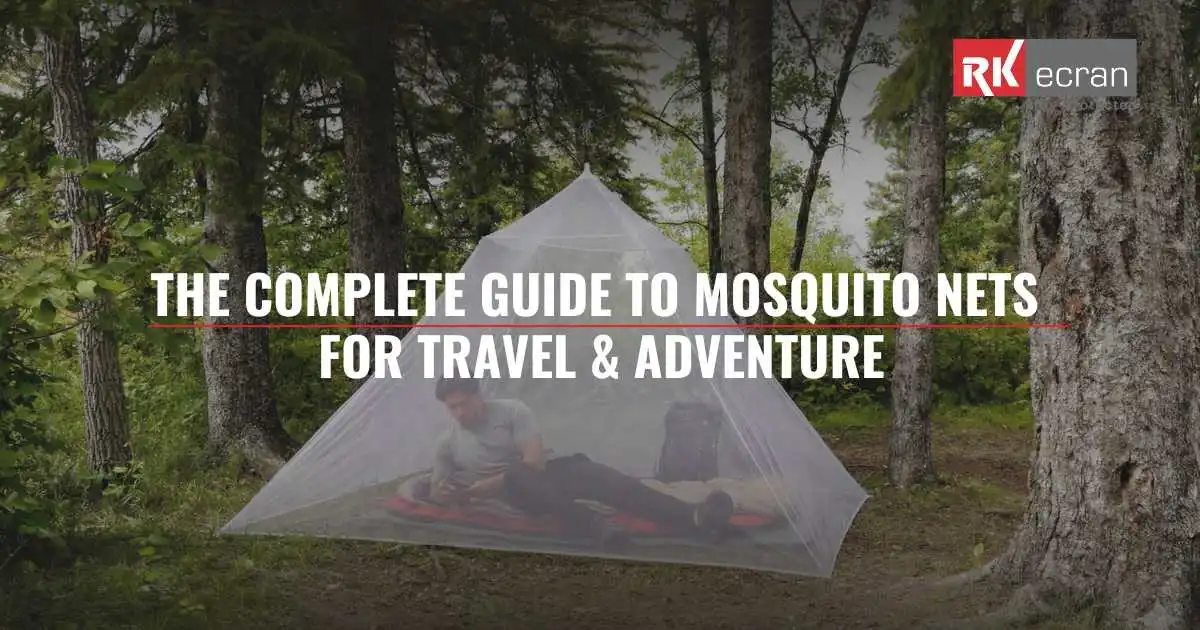
Travelling through the great outdoors, whether you’re camping in the Western Ghats, trekking through the Himalayas, or backpacking across Southeast Asia, always brings moments of excitement and discovery.
But along with the thrill comes one small yet persistent challenge: mosquitoes.
These tiny insects can disrupt sleep, cause painful bites, and in some regions, spread life-threatening diseases.
A high-quality mosquito net can turn restless nights into peaceful sleep, no matter where your journey takes you. In this complete guide, we break down everything you need to know, from why mosquito nets matter to choosing the right style, caring for your gear, and understanding the best options for every type of traveller.
Whether you’re a backpacker, camper, adventure lover, or simply preparing for a tropical holiday, this guide will help you pick the perfect net for reliable protection.
Why Do Mosquito Nets Matter?
Mosquito nets are more than just a travel accessory; they’re a genuine line of defence against vector-borne diseases such as malaria, dengue, chikungunya, Zika, and Japanese encephalitis.
These illnesses are common in many tropical and subtropical destinations, and even a single infected bite can lead to serious health complications. Using a good mosquito net significantly reduces exposure, especially at night when mosquitoes are most active.
For outdoor travellers, mosquito nets are essential. Whether you’re sleeping in a tent, a mountain hut, a beach shack, or an open homestay, a protective mesh barrier lets you rest without constantly swatting insects. Nets also prevent bites from other small pests, such as midges, sandflies, and gnats, which are common around campsites, forests, wetlands, and riversides.
In many travel situations, repellents alone aren’t enough. While sprays and creams help when you’re awake and moving around, a mosquito net offers continuous, passive protection throughout the night. It creates a physical barrier that keeps insects out while allowing airflow and ventilation, which is especially important in warm climates.
How to Choose the Right Mosquito Net?
Selecting the right mosquito net for travel isn’t just about picking the first one you see. The ideal net depends on your destination, sleeping arrangements, and personal comfort preferences. Here are the key factors to consider:
Size & Coverage:
Choose a net that fully covers your sleeping area. Solo travellers may prefer a compact, single-bed design, while families or couples might opt for larger double-bed nets. If you’re camping, ensure the net fits your tent or sleeping pad.
Weight & Portability:
For backpackers and trekkers, every gram counts. Lightweight mosquito nets made from fine mesh fabric help keep your pack manageable. Look for nets that fold compactly and come with a carry pouch.
Mesh Density:
Mesh density, often measured in holes per square inch, determines how effective the net is against small insects. Higher-density nets keep out even tiny midges while still allowing airflow. A density of 156 holes per square inch or more is generally considered effective.
Treated vs. Untreated Nets:
Some mosquito nets come pre-treated with long-lasting insecticide, offering additional protection by repelling mosquitoes and killing those that land on the net’s surface. Treated nets are ideal for high-risk disease regions. Untreated nets are suitable for mild climates or indoor use.
Compatibility with Your Sleeping Setup:
Different nets work better in different environments. A pop-up net might be perfect for a trekker, while a box net suits someone staying in accommodations without fixed hanging points. Make sure the net’s design aligns with where and how you’ll be sleeping.
Built Tough for Real-World Travel
A travel mosquito net needs to withstand more than just mosquitoes. It has to survive rough journeys, varied climates, repeated packing and unpacking, and occasional mishandling. Choosing a durable net made of strong yet lightweight materials ensures it won’t tear or collapse when you need it most.
Look for features such as reinforced stitching, flexible but sturdy frames, and high-quality mesh fabric. Compact folding designs also help save space in your luggage. Many travellers prefer nets that come with travel-friendly pouches, making them easy to attach to backpacks or slip into pockets.
Ease of setup is another essential factor. After a long day of trekking or travelling, you shouldn’t be struggling to hang or assemble your net. Lightweight poles, pop-up mechanisms, and intuitive designs make life easier, especially when moving between locations frequently.
Types of Mosquito Nets
Travellers today have more mosquito net options than ever before. Each design serves a different purpose, and choosing the right style can make your journey far more comfortable. Below is an overview of the most popular mosquito net styles used by adventure enthusiasts, backpackers, and holiday travellers.
Wedge Mosquito Nets
Wedge mosquito nets are a favourite among solo travellers thanks to their simple, minimalist design. As the name suggests, these nets form a triangular or wedge shape, typically supported by a single hanging point at the top.
They’re incredibly space-efficient and fit well in tight areas such as tents, hostel beds, or small rooms. Because they use minimal fabric, wedge nets pack down very small and are exceptionally lightweight, making them ideal for backpackers who prioritise portability. They offer reliable coverage for one person while maintaining excellent airflow.
Box Mosquito Nets
Box mosquito nets are larger and take on a cubic shape, offering more headroom and comfort. With multiple hanging points, they create a spacious interior, allowing you to move freely, sit upright, or spread out while sleeping.
These nets are especially suitable for double beds, long-term stays, or travellers spending several nights in one location. The roomy design not only feels more comfortable but also improves ventilation, making them perfect for hot and humid regions. Many box nets are treated with insecticide, adding an extra layer of protection for extended travel in tropical climates.
Bell Mosquito Nets
Bell mosquito nets provide a mix of style and practicality. They feature a single central hanging point from which the net spreads out in a bell shape. It offers more space than a wedge net but requires less setup than a box net.
These nets are commonly found in tropical hotels, guesthouses, and homestays where a ceiling hook is available. They offer an elegant look while ensuring full coverage around the bed. For indoor travellers or those staying in eco-lodges and beach huts, the bell net is a dependable and aesthetically pleasing choice.
Arc Self-Supporting Mosquito Nets
Arc or pop-up mosquito nets are a game-changer for travellers who need instant protection without relying on hanging points. These nets use a flexible frame, often made from fibreglass or spring steel, that allows them to pop into shape within seconds.
Because they’re self-supporting, you can use them on the ground, in a tent, on a cot, or even outdoors in open areas. It makes them ideal for backpackers, trekkers, and campers exploring remote locations where suitable attachment points are limited. Despite their structure, they remain lightweight and easy to fold back into a compact size.
Expedition Mesh Mosquito Nets
Expedition mosquito nets are built for rugged landscapes and demanding travel conditions. These heavy-duty nets often feature insecticide treatment, tear-resistant mesh, reinforced edges, and weather-resistant materials.
Designed for adventurers heading into jungle trails, dense forests, wetlands, or high-risk mosquito zones, these nets prioritise maximum protection. They withstand harsh environments, making them a dependable choice for professional explorers, wildlife photographers, researchers, or anyone travelling off the beaten path.
If your travels involve unpredictable terrain, an expedition-grade mesh net is worth the investment.
Other Protective Options
While mosquito nets remain one of the most effective forms of defence, combining them with other protective measures enhances safety, especially in high-risk areas. Travellers often complement their nets with:
- Insect-treated clothing: Shirts, trousers, and jackets treated with repellent help prevent bites during the day.
- Portable net tents: Ideal for campers or hikers who prefer an all-in-one shelter solution.
- Insect repellent sprays or lotions: Effective for exposed skin when exploring outdoors.
- Mosquito coils or plug-in vapourisers: useful for indoor spaces with limited airflow.
Care & Maintenance
A well-maintained mosquito net can last for years, even with regular travel. Proper care not only prolongs its lifespan but also ensures consistent protection wherever you go.
Washing Your Net
Use mild soap and cold water to wash your mosquito net. Avoid harsh detergents or vigorous scrubbing, as this can damage the fine mesh. If your net is insecticide-treated, wash it only when necessary to preserve the treatment.
Drying
Let the net air-dry in a shaded area. Direct sunlight may weaken the fibres over time, especially in treated nets. Avoid wringing the net, as it can deform the fabric.
Storage
Once completely dry, fold the net neatly and store it in its carry bag. Please keep it in a dry place to prevent mould or mildew. Avoid placing heavy objects on top of the folded net to prevent damage.
Re-treating Nets
Some nets require periodic re-treatment with insecticide-based solutions. Follow the manufacturer’s instructions carefully. Re-treating helps maintain long-term mosquito resistance, particularly during extended travel through mosquito-heavy regions.
Handling During Travel
Be gentle when packing and unfolding your net. Avoid snagging it on sharp objects or zippers. When using hooks or ropes, ensure they’re smooth and won’t tear the mesh.
Conclusion
Mosquito nets may seem like simple travel gear, but they offer essential protection across diverse environments. Whether you’re backpacking across India, exploring Southeast Asia, or camping in remote forests, the right mosquito net ensures safe, comfortable, bite-free sleep.
By understanding different net types, choosing the right features, and properly caring for your gear, you can focus on your adventures rather than worry about mosquitoes.