
It’s 6:30 PM. You’re in the middle of cooking dinner when you suddenly remember the mosquitoes! You drop everything and rush through the house, closing windows and doors before those little bloodsuckers find their way in. And this happens every. Single. Night.
You probably promised yourself you’d install mosquito screens the very next day. But then you walked into the hardware store, and the salesperson threw around terms like “SS mesh,” “polyester weave,” and “PVC-coated fiberglass” and you walked out more confused than when you came in. Sound familiar?
Here’s what nobody tells you, not all mosquito net fabrics are created equal. The material you choose determines how long your screens last, how well they perform in your local climate, and whether they truly deliver the protection and comfort your family deserves.
What is Mosquito Net Fabric?
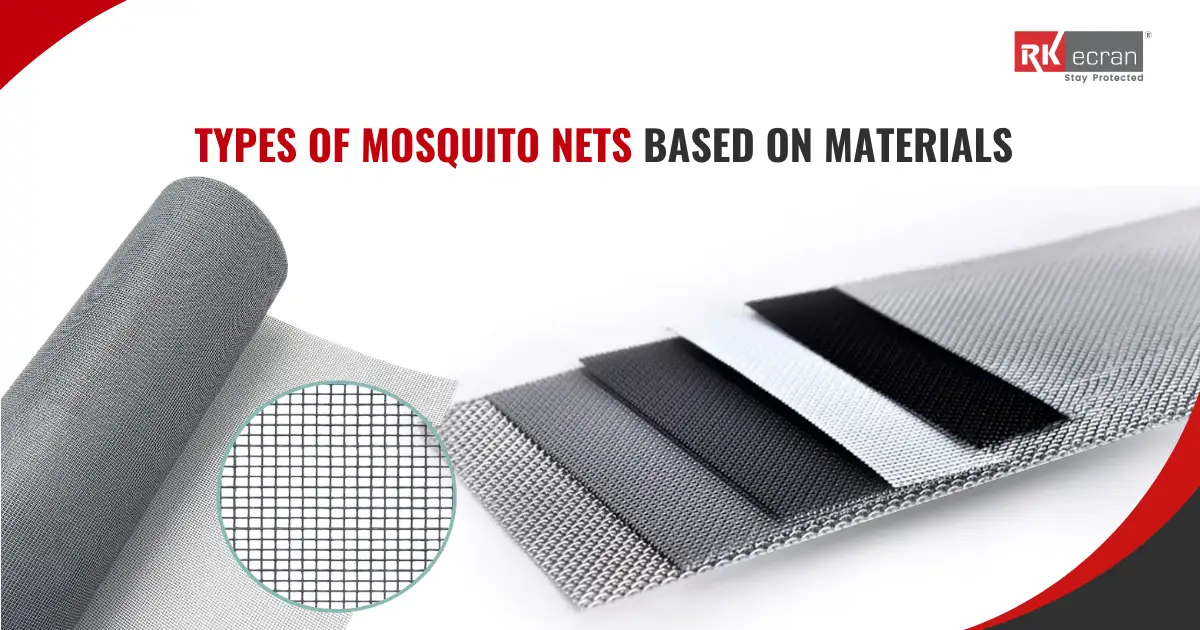
Mosquito net fabric is mesh material with fine weave openings that block insects while allowing airflow and visibility. The weave size stops mosquitoes from entering but lets air and natural light pass through.
The fabric protects against mosquito-borne illnesses, maintains ventilation in your home, and preserves outdoor views without darkening rooms.
Modern mosquito net materials resist tearing and weather exposure. Properly installed nets last 7-15 years depending on the material type. The material selection is also key to handle different climate conditions.
Types of Mosquito Nets Based on Materials
Choosing the right material depends on how you use your space. Consider your balcony access frequency, whether children or elderly family members use the area, and your local climate conditions. Each material option handles these factors differently.
1. Polyester Mosquito Net Fabric
Polyester is a common choice for mosquito nets in Indian homes due to its durability and moisture resistance. This synthetic material has a tight weave that blocks small insects while maintaining airflow. Polyester doesn’t absorb water, prevents mold and mildew growth during monsoon seasons, which is a key advantage over natural mesh material options like bamboo blinds.
Our Recommendation: We recommend that you opt for premium quality polyester for areas where you expect regular use like your kitchen windows, bedroom openings, and frequently used balcony doors, for instance.
Maintenance: Wipe with a damp cloth as needed. No special cleaning products or seasonal upkeep required.
Best suited for: Homes in humid climates, high-use doors and windows, or installations where low maintenance matters.
2. Cotton Mosquito Net Fabric
Cotton has a softer texture and traditional appearance that suits heritage homes or classic interiors. The material is breathable and familiar to many Indian households. However, cotton nets last only 2-3 years compared to polyester’s 8-10 year lifespan. Humidity and sunlight degrade the fiber faster. Cotton traps dust more easily and requires extended drying time after washing.
Our Recommendation: Cotton doesn’t work well in humid areas. In coastal regions or places with heavy rains, the material soaks up moisture and gets moldy, faded, and torn within 2-3 years. Polyester or stainless steel mesh handle these conditions better.
Maintenance considerations: Needs more frequent cleaning. The material takes longer to dry after washing, which becomes an issue during monsoons. Regular washing keeps the net clean but gradually weakens the fibers.
Where cotton still makes sense: Cotton works for temporary setups, rental properties needing a cheaper option, or secondary windows that don’t get used much. Also suitable for covered spaces protected from direct rain and sun.
Expert Tip: Cotton needs replacing every 2-3 years in humid weather. Polyester lasts 8-10 years with less upkeep. You’ll spend less over time even though polyester costs more at the start.
3. Polyethylene Mosquito Net Fabric
Polyethylene is made from pressed plastic fibers. The material doesn’t absorb water, preventing mold and mildew growth. It resists rain and dries quickly. However, polyethylene yellows and becomes brittle over time, especially with sunlight exposure.
Our Recommendation: Polyethylene doesn’t suit permanent installations in humid or brightly lit areas. The material degrades and tears easily after discoloration. Polyester or stainless steel are better for living rooms, bedrooms, or visible windows where appearance matters.
Maintenance: Spray with water or wipe with a damp cloth. Polyethylene collects less dust than cotton and dries quickly. Avoid aggressive scrubbing to prevent tearing.
Where polyethylene makes sense: Utility areas, storage rooms, secondary windows, or temporary installations where budget and quick setup matter more than longevity.
Expert Tip: Polyethylene lasts 2-5 years. Windows facing direct sunlight will show yellowing and brittleness faster than shaded installations.
4. Nylon Mosquito Net Fabric
Nylon is a synthetic material with a smooth surface that works well for sliding mechanisms. The fabric is lightweight and strong, resisting tears from daily opening and closing. Nylon however, degrades with prolonged UV exposure.
Our Recommendation: Use nylon indoors or on windows that don’t get much sunlight. For windows facing intense afternoon sun, use UV-resistant materials like polyester or fiberglass.Skip nylon entirely if you’re near the coast, salt air eats through it.
Maintenance: The smooth surface doesn’t trap dust as easily as textured materials. Wipe or spray with water to clean.
Where nylon makes sense: Inside doors between rooms, windows on the shady side of your house, or any sliding setup where you want smooth movement.
Expert Tip: Nylon stays cleaner longer than cotton because dust doesn’t cling to it. Good choice if you live near construction sites or busy roads with lots of dust in the air.
5. Fiberglass Mosquito Net Fabric
Fiberglass combines glass fibers with a PVC coating. The material doesn’t rust or corrode in humid weather. The PVC layer protects against moisture, rust and prevents sagging. It’s also flame-resistant.
Our Recommendation: Fiberglass works well if you want something with good quality that lasts. It won’t rust like metal mesh, so it’s good for coastal homes or places with harsh weather.
Maintenance: Fiberglass requires very little maintenance. The PVC coating doesn’t collect much dust. Wipe or spray with water when it gets dirty.
Where Fiberglass makes sense: Coastal areas, humid zones, bathroom windows, kitchen windows, or any opening that gets wet regularly.
Expert Tip: Fiberglass’s flame-resistant properties add an extra layer of safety, making it especially suitable for kitchen installations or spots near stoves and heaters.
6. Stainless Steel Mesh
Stainless steel mesh is extremely tough and can last 10+ years. It has a fine weave that blocks even the tiniest insects while maintaining excellent airflow.
Our Recommendation: Stainless steel mesh works well for ground-floor windows, homes with pets and coastal properties.
Maintenance: Stainless steel mesh requires occasional cleaning. A simple rinse or wipe removes dust and debris, keeping the mesh looking new.
Where stainless steel makes sense: Ideal for ground-floor windows for security, homes with kids, cats or dogs that might damage fabric screens, and coastal properties where salt air increases material degradation. It’s also excellent for commercial properties, hospitals, and hotels that need something durable yet low maintenance.
Expert Tip: Got kids and pets? Stainless steel is the only practical long-term solution. The material withstands scratching, pawing, and other pet-related stress that would quickly damage fabric screens.
How Long Do Mosquito Nets Last?
Lifespan depends on material type, installation quality, weather exposure and maintenance.
Average Material-Based Lifespan Expectations
| Material | Lifespan | Best For |
|---|---|---|
| Cotton | 2-3 years | Dry climates, temporary use |
| Polyethylene | 3-5 years | Utility areas |
| Nylon | 6-8 years (indoor) | Shaded windows, indoor doors |
| Polyester | 8-10 years | Most residential applications |
| Fiberglass | 10-15 years | Coastal areas, humid regions |
| Stainless Steel | 15-20+ years | Coastal Areas, homes with kids and pets |
Other Factors That Affect Life of the Material
Environmental Conditions:
- Direct sunlight breaks down fabric materials faster
- Coastal salt air and humidity speed up wear
- Monsoon exposure affects different materials differently
Usage Patterns:
- Doors and windows used frequently wear out faster
- Homes with kids or pets need tougher materials
- High-use areas need stronger mesh
Installation Quality:
- Professional installation makes mosquito nets for doors & windows last longer
- Proper tension stops sagging
- Good hardware keeps the mechanism working smoothly
Conclusion
The materials you choose for your mosquito screens are as important as the design and installation. It affects how long your mosquito screens last and how well they handle your local climate.
Pick your fabric based on durability needs, budget, weather conditions, and where you’re installing it.
Need help deciding? Call RK Ecran for material recommendations based on your specific situation.
FAQ
Q: Which mosquito net fabric is best for coastal areas?
A: Fiberglass with PVC coating or stainless steel mesh. Both resist salt air corrosion and handle humidity well. Skip cotton and polyethylene – they break down fast in salty, humid conditions.
Q: How often should I clean my mosquito net screens?
A: Monthly if you’re near dusty areas or busy roads. Every 3 months if you’re in a cleaner area. Clean before and after monsoons to remove built-up dirt.
Q: Can I install mosquito net fabric myself, or do I need professional help?
A: While DIY installation mosquito nets is possible for simple, temporary solutions, professional installation is strongly recommended for permanent screens. Professionals ensure exact measurements (preventing gaps where mosquitoes enter), proper tension (extending material lifespan), quality hardware installation, and correct alignment for smooth operation. DIY installations often develop problems within months sagging, gaps, difficult operation, or premature material failure.
Q: What’s the difference between polyester and fiberglass mosquito nets?
Polyester costs less and lasts 8-10 years. Works fine for most Indian homes. Fiberglass costs more but lasts 10-15 years, handles moisture better, and is flame-resistant. Better choice for humid or coastal areas..
Q: Do stainless steel mesh screens block more airflow than fabric screens?
A: Quality stainless steel mesh with proper weave density allows excellent airflow, comparable to fabric screens. The key is the mesh opening size and weave pattern. Professional-grade stainless steel mesh is designed to maximize airflow while blocking insects.
No. People assume metal blocks air, but it doesn’t – the weave density or holes in the mesh are what matter. Both steel and fabric mesh have tiny openings that let air through while blocking mosquitoes. Steel mesh with the right mesh opening size and weave pattern moves as much air as fabric. You won’t notice a difference in your balcony breeze.
Q: How do I know when it’s time to replace my mosquito net screens?
A: Replace when you see tears or holes, sagging, hard to open/close, faded color, or mosquitoes getting through. For fabric, also check if it cracks when touched or frays at edges. Inspect before and after monsoons.